For years, the mantra in B2B sales was simple: "More is better." More emails, more calls, more names in the CRM. But as we move through 2026, many companies are discovering a painful truth— high lead volume is actually stalling their growth. If your sales team is busier than ever but your revenue is flat, you are likely suffering from the "Quantity Trap." Why "More Leads" is Often a Bad Strategy In the modern market, a lead isn't just a potential customer; it’s a resource drain if it isn't qualified correctly. When you flood your pipeline with low-quality data, you aren't just wasting time—you're losing money in ways you might not see: Sales Burnout: Your best closers are wasting their energy on "tire-kickers" who have no intention or budget to buy. Brand Fatigue: Sending generic outreach to people who don't need your service damages your reputation and lands your domain in spam folders. Opportunity Cost: Every hour spent c...
Presume hundreds of people are showing interest in your B2B brand. They visit your website, sign up for your newsletter, or download your leadership guide. However, many people don’t. You spend time and money trying to attract them, but you don’t get customers. This is where warm leads matter.
A warm lead is a lead who has shown interest in your product or service. They are different from cold leads, who have no prior engagement. They are also different from hot leads, who are ready to buy immediately. Warm leads are in between. They need some nurturing and guidance before they convert.
Focusing on warm lead generation services B2B can make a big difference. Instead of chasing hundreds of cold leads, you focus on people who already know you. You can use strategies, tools, and campaigns to guide them from a revenue interest.
In this blog, we will share strategies to generate warm leads. We will show how to nurture them. You will also learn how to convert warm leads into clients. By the end, you will know how to turn interest into real revenue.
Understanding the Warm Lead Lifecycle
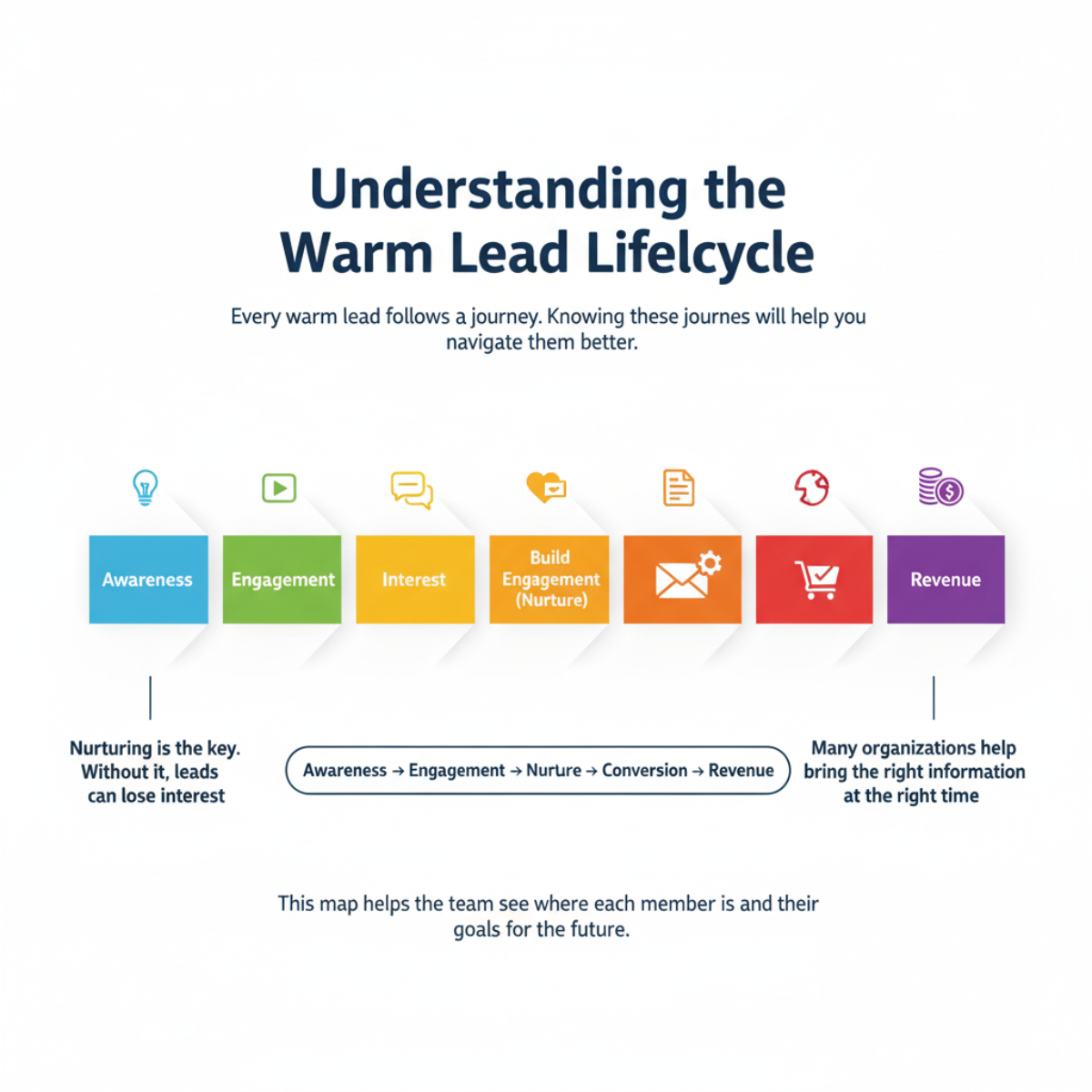
Every warm lead follows a journey. Knowing these journeys will help you navigate them better. The journey has six stages:
- Awareness: In the beginning, the customer is aware of your product or service.
- Engagement: They engage with your content, like reading a blog or watching a video.
- Interest: They save the guide or sign up for your newsletter.
- Build engagement: You build trust with emails, webinars, and personalized content.
- Conversion: The customer wants to buy or take a demo.
- Revenue: Your business earns income from the converted client.
Nurturing is the key. Without it, leads can lose interest. Many warm lead nurture campaign agencies provide services that can help you guide leads on this journey. Many organizations help bring the right information at the right time.
A simple example can show this:
Awareness → Engagement → Interest → Nurture → Conversion → Revenue
This map helps the team see where each member is and their goals for the future.
Segmentation & Scoring: Prioritize Leads That Matter
Not all warning leads are the same. Some customers are easy to convert. Planning and organizing help to set priorities.
Lead Segmentation
Segment leads based on:
- Behavior: Pages visited, downloads, webinar attendance.
- Demographics: Industry, company size, role.
- Intent: Coupon code or link to pricing page.
Lead Scoring
List the number of people according to their roles. Here are some examples:
Action | Points |
Website visit | +5 |
Webinar attendance | +10 |
Pricing page visit | +15 |
Leads with higher rates are more likely to convert. Sales teams can focus on these first.
This approach is very effective for warm lead generation services B2B. You can easily see who is ready for contact. It also helps your team convert warm leads into clients faster.
Proven Strategies to Generate Warm Leads
Getting warm leads means finding people who are already interested in your product or service. You need strategies that attract them and guide them toward becoming customers. Here are 8 simple ways to do it.
Lead Magnets & Interactive Content
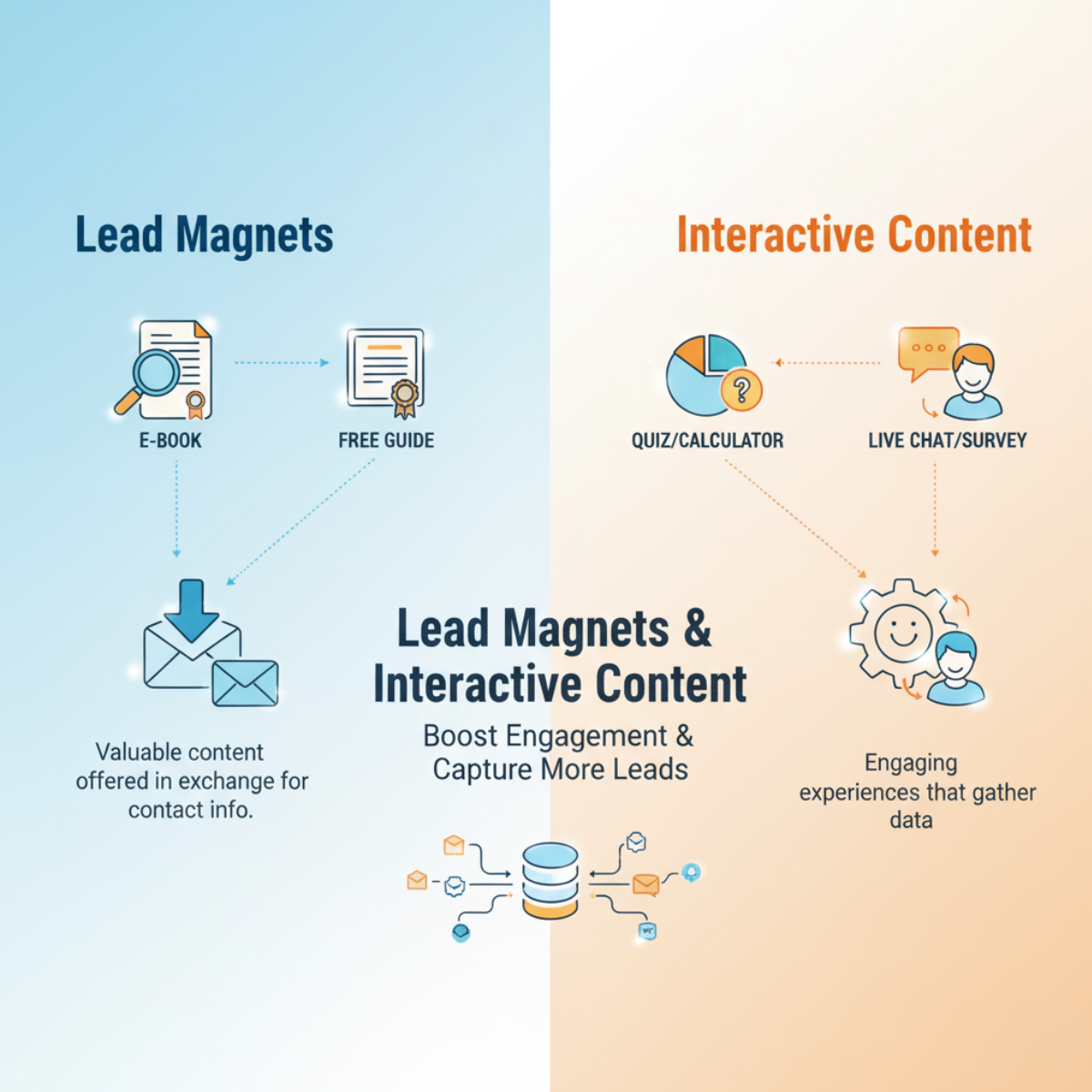
Lead magnets give value in exchange for contact info. Examples:
E-books or guides that solve problems.
Use templates or checklists to make tasks easier.
Calculators that show potential savings or profits.
Interactive tools work even better. A calculator lets people see results using their own numbers. This makes them feel involved and builds trust.
Make different lead magnets for different types of customers. Track which ones work best. One company grew warm leads by 50% using an ROI calculator and an industry guide.
Targeted Ads & Retargeting
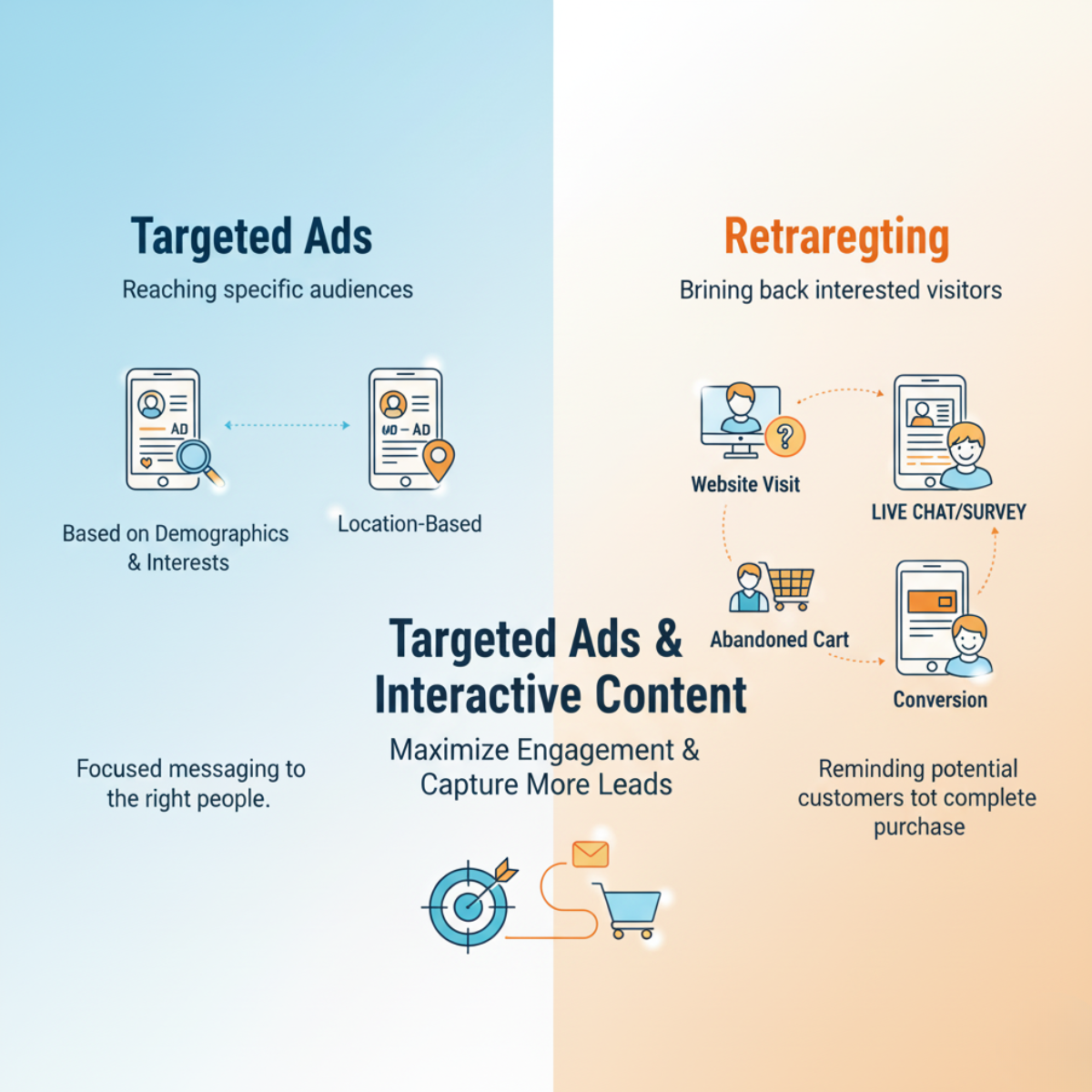
Not all leads buy right away. Retargeting reminds them of your brand.
- Show ads to people who downloaded your guide or visited your website.
- Display testimonials or product comparisons to leads who looked at pricing pages.
Split campaigns by interest level. High-interest leads try a free trial or demo product. Medium-interest leads focus on important information-based content.
Best Tools for Lead Management
Tools can help manage leads better:
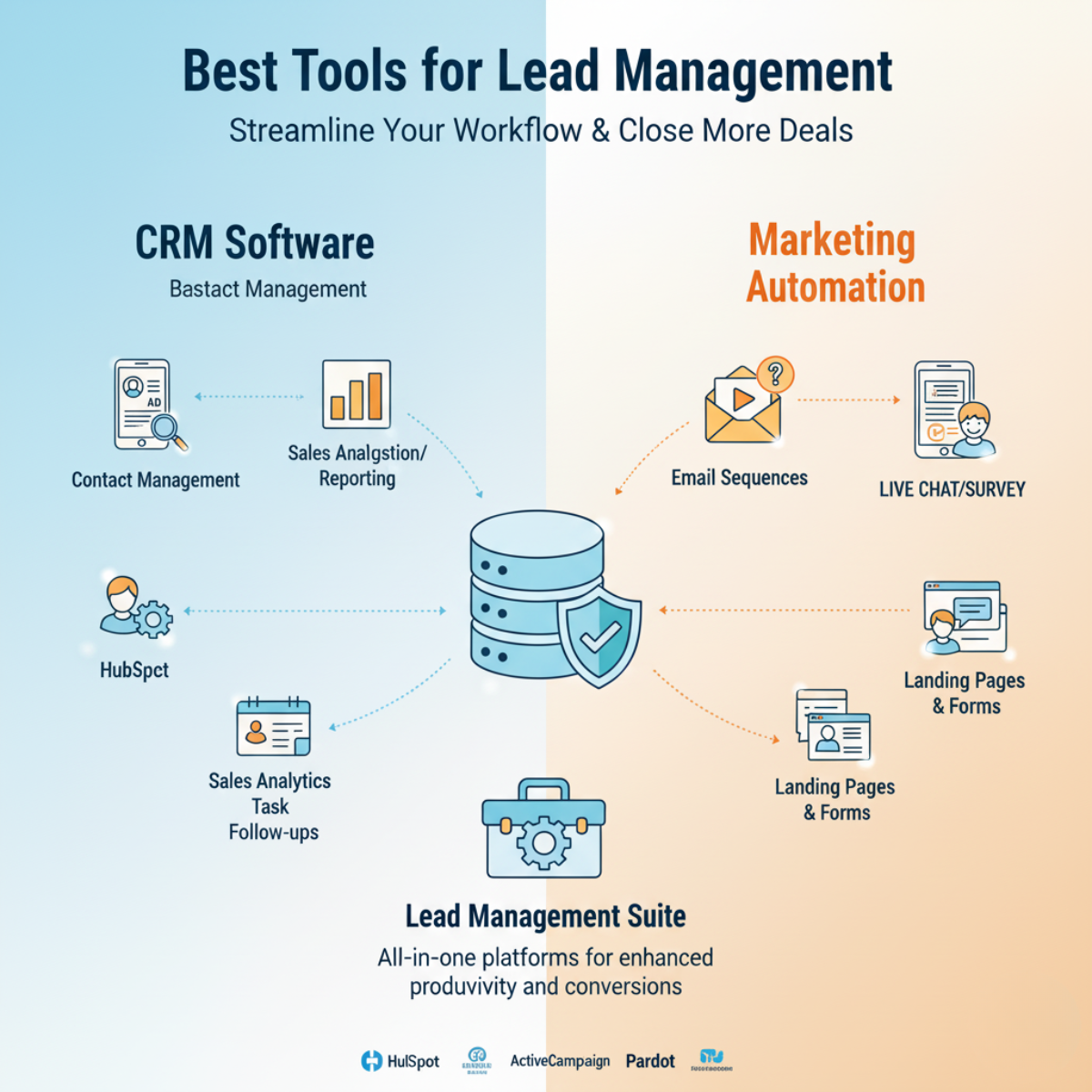
- Send follow-up emails based on what leads do.
- Send content relevant to their needs.
- The score leads to seeing who is most likely to buy.
Integrate these tools with your CRM. This helps your sales team focus on the right customers.
Click here to read the full content : Warm Lead Generation Strategies: Turn Interest into Revenue
Comments
Post a Comment