The rules of the game have officially changed. In 2026, simply checking your "keyword rankings" on page one of Google isn't enough. With the rise of Search Generative Experience (SGE) and AI-driven answer engines like ChatGPT and Perplexity, many brands are seeing their organic traffic vanish—even when they think they’re doing everything right. If you aren't measuring your AI Visibility Share , your brand might be fading into the digital shadows without you even realizing it. The "Invisible" Crisis of 2026 Traditional SEO metrics are becoming "vanity metrics." You might rank #1 for a specific term, but if an AI summary answers the user's question before they ever scroll down to your link, that #1 spot is worthless. Modern brands are facing a new set of challenges: Zero-Click Dominance: AI models provide the answer directly, reducing the need for users to click through to websites. The Citation Gap: If AI tools are using your data but not citi...
Your website is often the first impression people have of your business. A high-converting website does more than look nice. This supports converting visitors into customers and leads. Every page on your website can be different, from the way it’s designed to the buttons people click.
Did you know that 75% of users judge a business's credibility based on its website? If your website is outdated, slow, or confusing, people are more likely to leave before taking action.
That is why good business website design matters. Clean, transparent, and easy website built to trust. This shows visitors that your business is professional. It also makes it easier for them to take other actions, such as purchasing products, registering, or contacting you. In this article, we will show you what a high-converting website is.
You will learn how creating a successful business website can help your business grow and achieve great results.
What “High Conversion” Means for Your Business
A high-converting website turns visitors into customers, leads, or subscribers. It’s not just about looking nice. It’s about getting results. Conversion can mean different things. For one business, it’s a sale. For another, it’s a form submission or a newsletter sign-up.
If you don’t measure it, you won’t know if your website is working. That’s why conversion rate optimization (CRO) is important. It helps you see what works and what doesn’t. Without it, your website is merely a digital brochure.
Setting Measurable KPIs
KPIs are numbers that show how well your website is doing. For example:
How many people filled out a contact form?
How much did a purchase cost?
How long does it take visitors to reach relevant pages?
You can track this with tools like Google Analytics or Hotjar. First, determine which KPIs are most important to your business. Then keep following up. It’s easy and simple to track KPIs for conversion rate optimization (CRO).
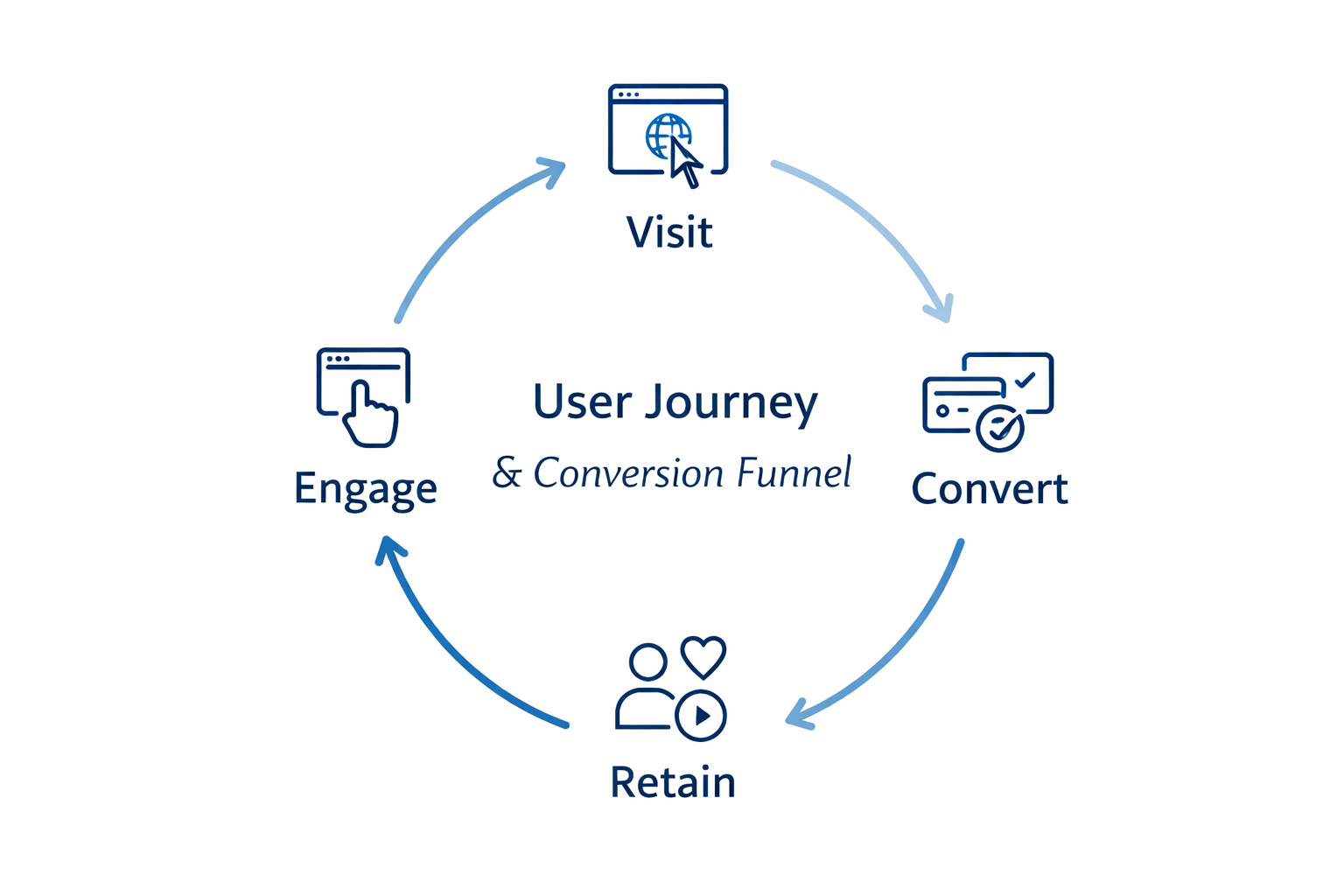
Mapping the User Journey & Conversion Funnel
Every visitor has a journey on your website. From the moment they arrive, they make choices to stay, explore, or leave. Your goal is to guide them.
A well-designed business website acts like a roadmap. It shows visitors where to go and what to do next. For example:
A visitor lands on your page.
They read your content or learn about your product.
They see a call-to-action and take action, like signing up or buying.
Mapping this journey helps you see where visitors get stuck. Then you can fix it. This makes your high-converting website more effective. Conversion rate optimization (CRO) then helps more visitors take action.
Core Elements of a High-Converting Website
A high-converting website does more than look good. It guides your visitors, builds trust, and makes it easy for them to take action. Every part of your site matters. From design to messaging, each element helps turn visitors into customers.
UX/UI Design & Mobile-First Approach
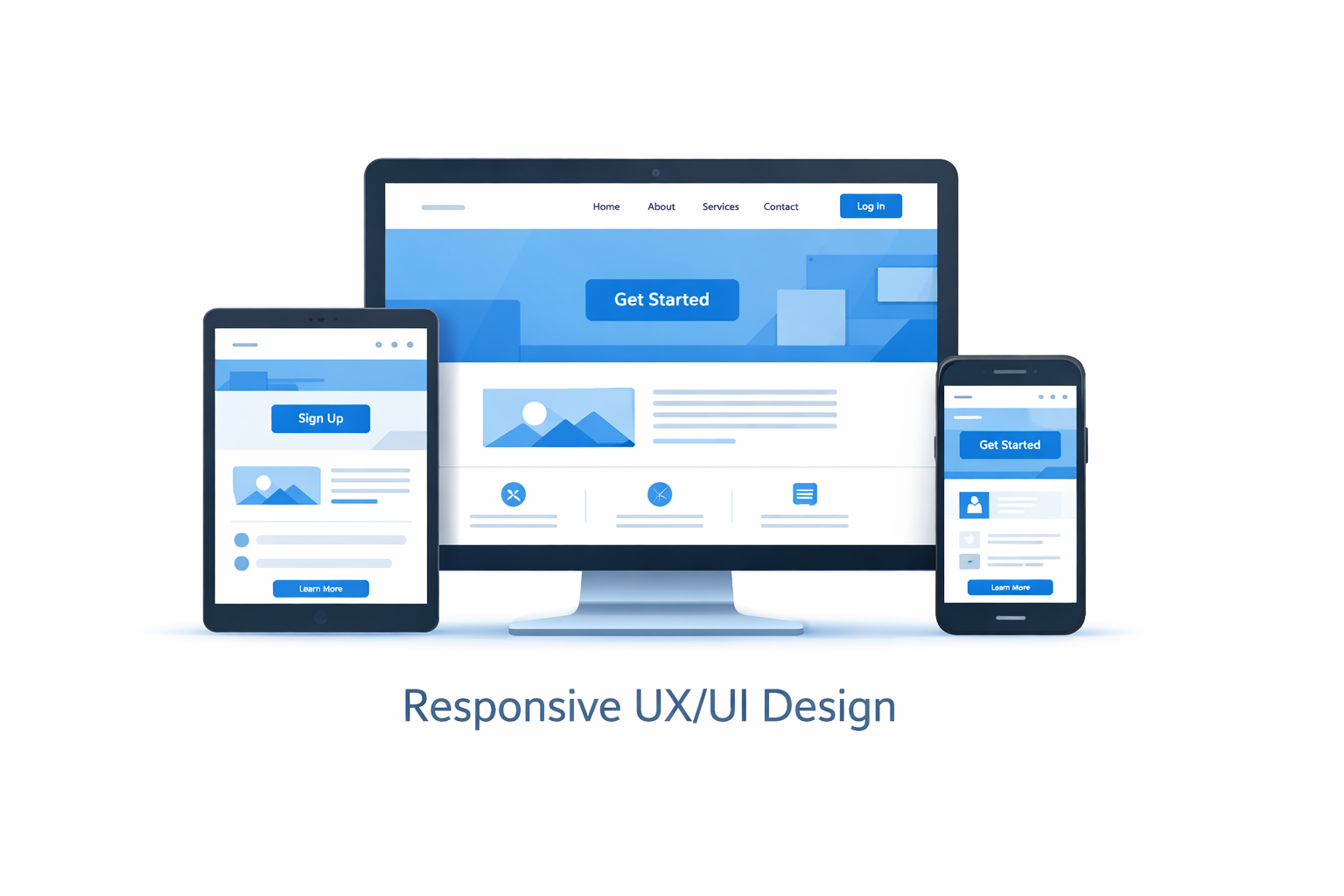
The first thing people notice is how your website feels. A simple and clean design keeps visitors on your site longer. This is the heart of UI/UX development.
Here’s what to keep in mind:
Simple navigation: Visitors should be able to find what they’re looking for with just a few clicks.
Readability: Use simple text, short paragraphs, and good colors.
Responsive design: Your website should look great on desktop, tablet, and mobile devices.
Mobile-first design: Most people use mobile phones. If your website isn’t mobile-friendly, you’re losing visitors.
When a software company redesigned its site for mobile first, the pages felt lighter and easier to use. People stayed longer, and more visitors took action.
Clear Value Proposition & Messaging
Your traffic needs to know what your business is and why it matters. This is called your value proposition.
To increase strength:
Be clear and direct: Avoid vague statements like “We offer services.”
Focus on benefits: Explain how your product or service will benefit them.
Use direct language: Talk directly to your users.
A web development company changed its messaging from “We offer web development services” to “We build high-converting websites that help businesses get more leads and sales.” Visitors understood the value right away, and conversions went up.
Effective Call-to-Action (CTA) Strategy
A website without clear CTAs is confusing. Visitors won’t know what to do next. A strong call-to-action strategy guides people to take the steps you want.
Keep these points in mind:
Placement: Put CTAs where visitors naturally look, like top of the page, in the content, and at the end.
Keywords: Use keywords like “Get Started,” “Book Your Free Audit,” or “Download Now.”
Design: The button should be clean, but still match the website layout.
Urgency: Add keywords like “Sign Up Today” or “Limited Offer” to boost engagement.
A marketing agency changed its CTA to “Get Your Free Website Audit” and placed it at the top. Clicks increased by 40%. Small changes like this can make a big difference.
Trust & Credibility Signals
People need to trust you before they act. Showing credibility helps visitors feel confident.
Use these elements:
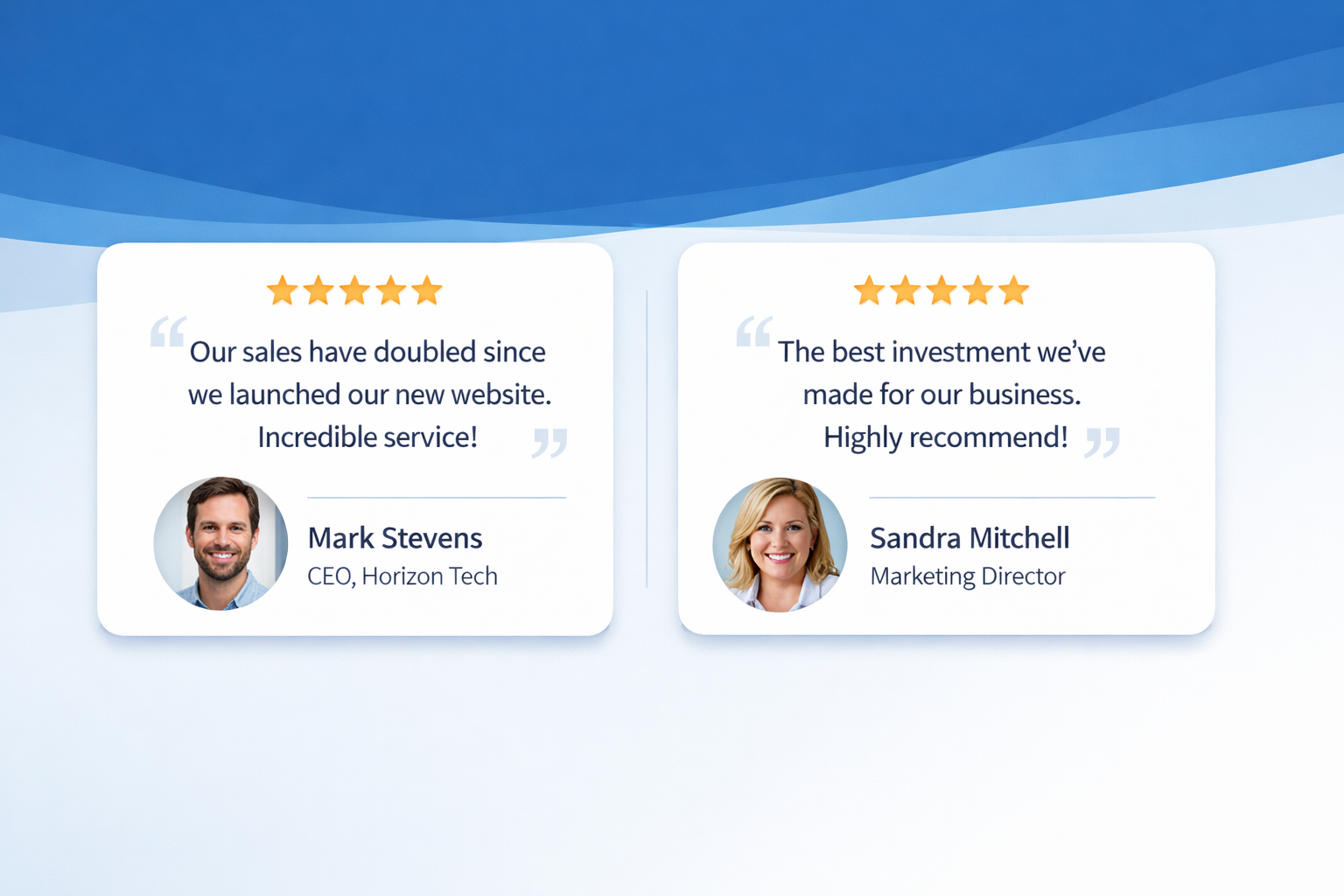
Customer reviews and testimonials: Real feedback builds trust.
Case studies: Show results from past projects.
Awards and certifications: Show you are an authority.
Security badges: SSL certificates and payment logos will guarantee user satisfaction.
The client added testimonials and documentation of previous work. Visitors felt confident, and conversions went up by 28%.
Landing Page Development for Maximum Conversions
A good landing page can turn visitors into leads. Developing a landing page is all about ease of installation and search. The goal is to make things easier for people.
Clear layout: Show the key message first. Use proper headings. Keep paragraphs short.
Lead forms at the top: Put the form where people can see it right away. Do not make them scroll.
Strong buttons: Make buttons easy to see and easy to click. Naturally repeat them on the page.
Fewer distractions: Remove extra links. Avoid pop-ups. Keep the focus on one goal.
Visual help: Use colors, images, and icons to guide them to the targeted form and button.
A well-designed landing page helps your high-converting website perform better. Every element should guide visitors to take the next step.
Good landing page development is like giving your website a clear path. It helps your business capture more leads and grow faster.
Technical Essentials & Performance Optimization
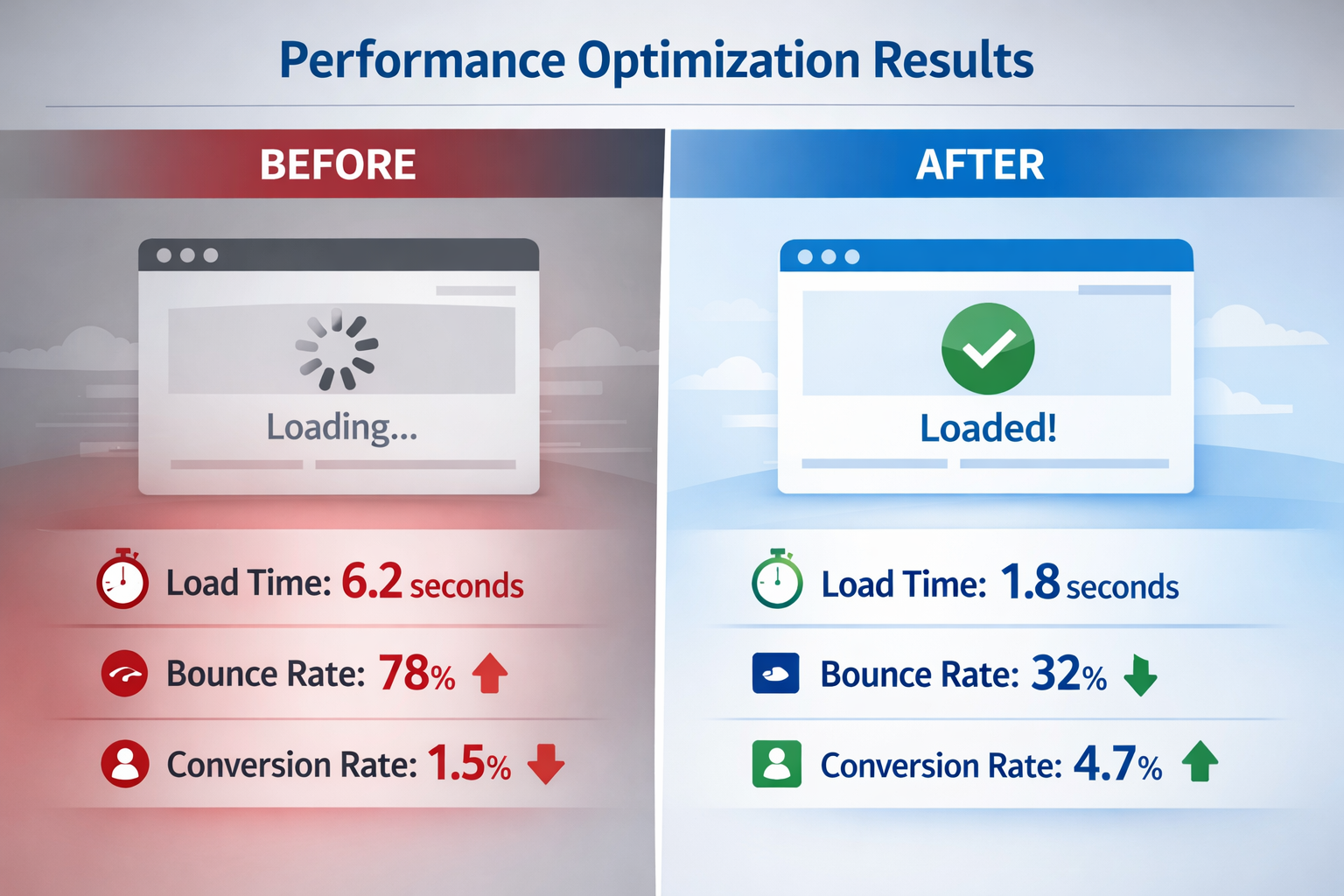
A high-converting website is not just about how it looks. How fast it loads and how well it works are just as important. Slow pages or confusing layouts make visitors leave before they see your offers.
Website Speed and Performance Tips
A slow website drives people away. Even one second can make a difference. Fast pages give a better experience.
Here is how to speed things up:
Caching: Save files of your site. When people come back, pages load faster.
CDN (Content Delivery Network): Serves content from a server close to your visitors.
Image Resizing: Reduce image size without losing image quality. Use alternative formats like WebP.
Lazy loading: Load photos and videos automatically only when visitors scroll to them.
Server maintenance: Use a good hosting service and configure your server to handle traffic well.
At Accord Tech Solutions, we helped a few clients do this. Their site went from 6 seconds to under 2 seconds to load. Visitors stayed longer, and more people took action. This shows how performance optimization improves results.
SEO-Friendly Architecture
A good website will help search engines find your content. The journey will also be accessible to visitors.
Key things to look out for:
Clean URL: A short, easy-to-read link with a keyword.
Meta tags: Unique titles and descriptions for each page.
Schema and structured data: Help search engines understand your data.
Easy to navigate: Clear menus and links make it easy for visitors to navigate.
A well-designed business website with these features will increase conversion rates and keep visitors engaged.
Security and Compliance
Customers need to trust your website before they take action. Strong privacy security helps build trust.
Here’s what to include:
SSL Certificate: Keep connections secure.
Data security: Keep your personal data secure.
GDPR Compliance: Comply with form and data privacy regulations.
Trust badges: Show logos or certificates to reassure users.
A secure website makes visitors confident. When your web development services focus on security, people are more likely to engage and take action.
Key Takeaways:
Fast pages and optimized images keep visitors on your site.
An SEO-friendly strategy helps users and search engines.
Strong safety and compliance build trust.
By considering these essential elements, your website will become the foundation for your website development strategy to grow your business.
Content Strategy & Engagement
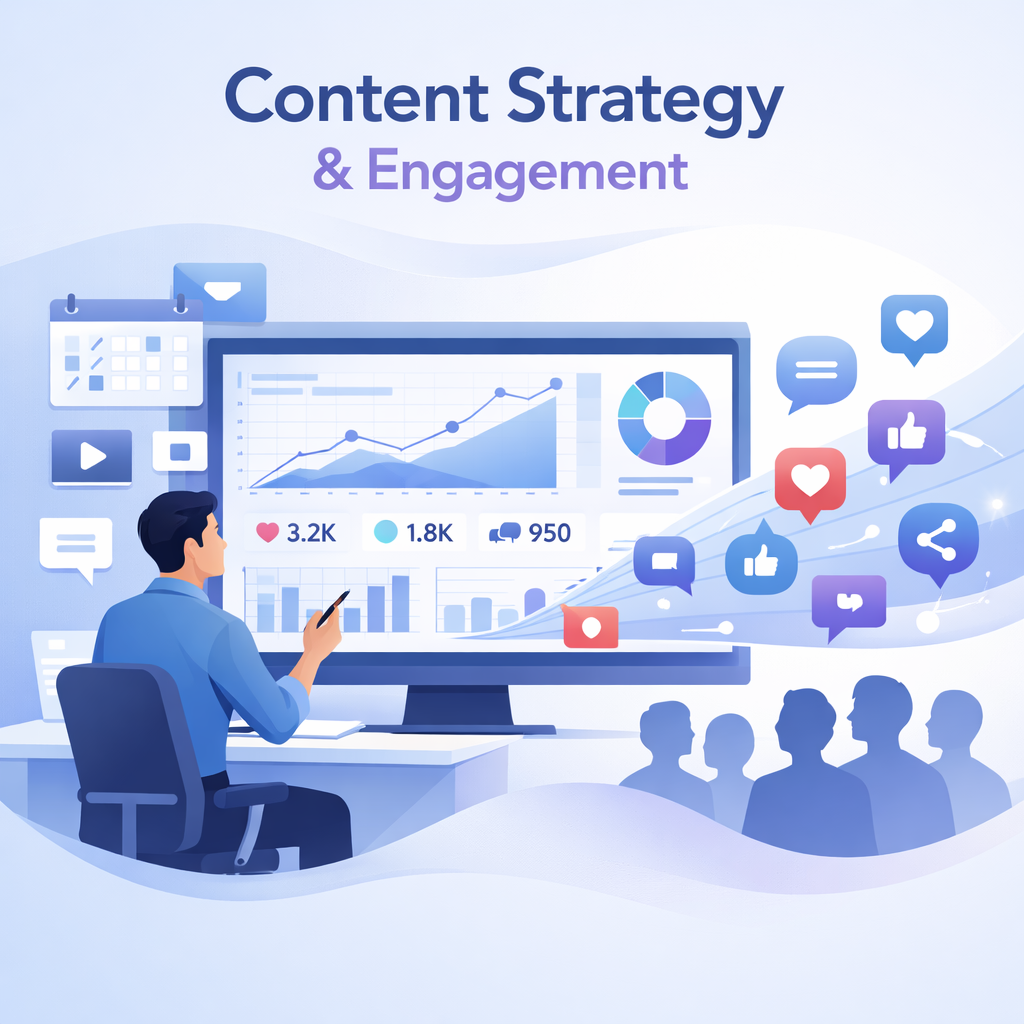
The content of your website is what attracts visitors. A strong content strategy helps people stay longer and engage. Website conversions use simple design, storytelling, and content to turn prospects into customers.
Testimonials and storytelling content
Many people create links to websites. Organizing your content will help them understand your content more quickly.
Headings and subheadings: Separate text for ease of reading.
Bullet points: Display bullet points for a quick overview.
Introduction: Describe the user’s problem, your solution, and the results.
Keep it simple and clear language: Think about how your product or service will benefit them.
A professional website design tells a story that keeps visitors engaged. This helps them see your value quickly and gain trust.
Lead Capture Forms & Interactive Elements
Lead collection should be easy. Contact forms and tools together will help you drive conversions without turning visitors away.
The shortcut: Ask only for what you need.
Tools: Use quizzes, counters, or sliders to engage users.
Smart pop-ups: Display messages at the right time, such as when someone leaves.
A high-converting website uses these tools to capture leads smoothly. People like to click, reply, and share. They enjoy being part of the journey.
Lead Follow-Up and CRM Setup
Getting a lead is the first step. Talking to them matters more.
Connect your forms to your email or system.
Send messages that match their needs.
Keep emails helpful and clear.
Watch how people respond.
See who opens and clicks.
This shows who is ready to buy.
Through automated workflows, this website development service helps you convert leads into sales.
Testing & Conversion Rate Optimization (CRO)
Small changes can make a big difference. Conversion rate work is about getting better results........
Comments
Post a Comment